
• Leaders at the United Nations General Assembly (UNGA 81) called for urgent climate action, stronger adaptation efforts, and greater climate finance for vulnerable nations.
• Nepal’s devastating floods became a defining symbol of climate injustice, as leaders warned that climate impacts know no borders.
• Amid New York Climate Week, governments emphasized hope, innovation, and international cooperation as pathways to addressing the climate crisis.
New York, Nishat Mirza – As world leaders gathered at the 81st United Nations General Assembly (UNGA 81) during New York Climate Week, climate change emerged as one of the defining themes of the global discussions. From catastrophic floods in Nepal to calls for climate finance, adaptation, and clean energy, leaders stressed that the world has the knowledge and technology needed to address the climate crisis—but action must move faster.
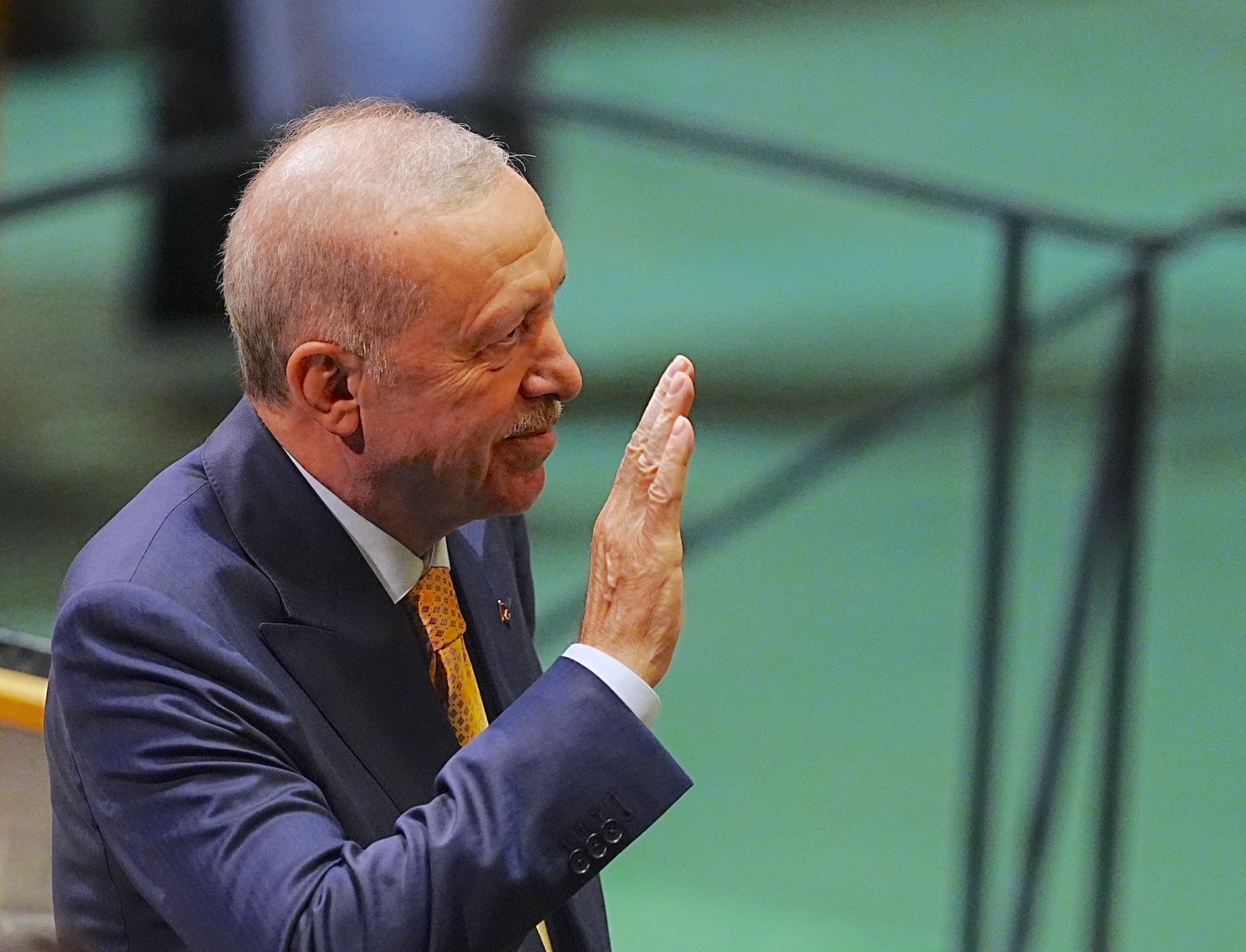
Turkish President Recep Tayyip Erdoğan was among the leaders addressing the broader global challenges facing the international community, with climate action also forming part of Türkiye’s priorities as it prepares to host COP31. His remarks came as countries continued to debate how to translate international climate commitments into concrete action.
The climate conversation at UNGA 81 was deeply shaped by the devastating floods that recently struck Nepal, where thousands were affected and communities suffered widespread destruction. Nepal’s Prime Minister Balendra Shah described the disaster as not only a national tragedy but a warning to the entire world.
Nepal’s Prime Minister Balendra Shah brought the experience of a country on the front lines of climate-related disasters directly to the General Assembly. Speaking after catastrophic flooding and destruction in Nepal, Shah said his country is paying a price for a crisis it did not create.
“We did not create this crisis. Yet we are paying a colossal price for it,” Shah said.
He described retreating glaciers, unstable mountain slopes and increasingly unpredictable rivers as part of a changing climate that threatens not only lives but Nepal’s development. “For Nepal, climate catastrophe is not just a humanitarian event, but a development emergency,” he said, pointing to roads, bridges, schools, homes, farms and livelihoods damaged or destroyed by disasters.
“Climate finance must not become a bureaucratic maze through which vulnerable countries spend years proving that they need help.”
Nepal has called for grant-based support for reconstruction and resilience, arguing that vulnerable countries should not be pushed deeper into debt to rebuild infrastructure destroyed by climate-driven disasters. Shah also urged stronger investment in preparedness, early-warning systems, resilient infrastructure and adaptation.
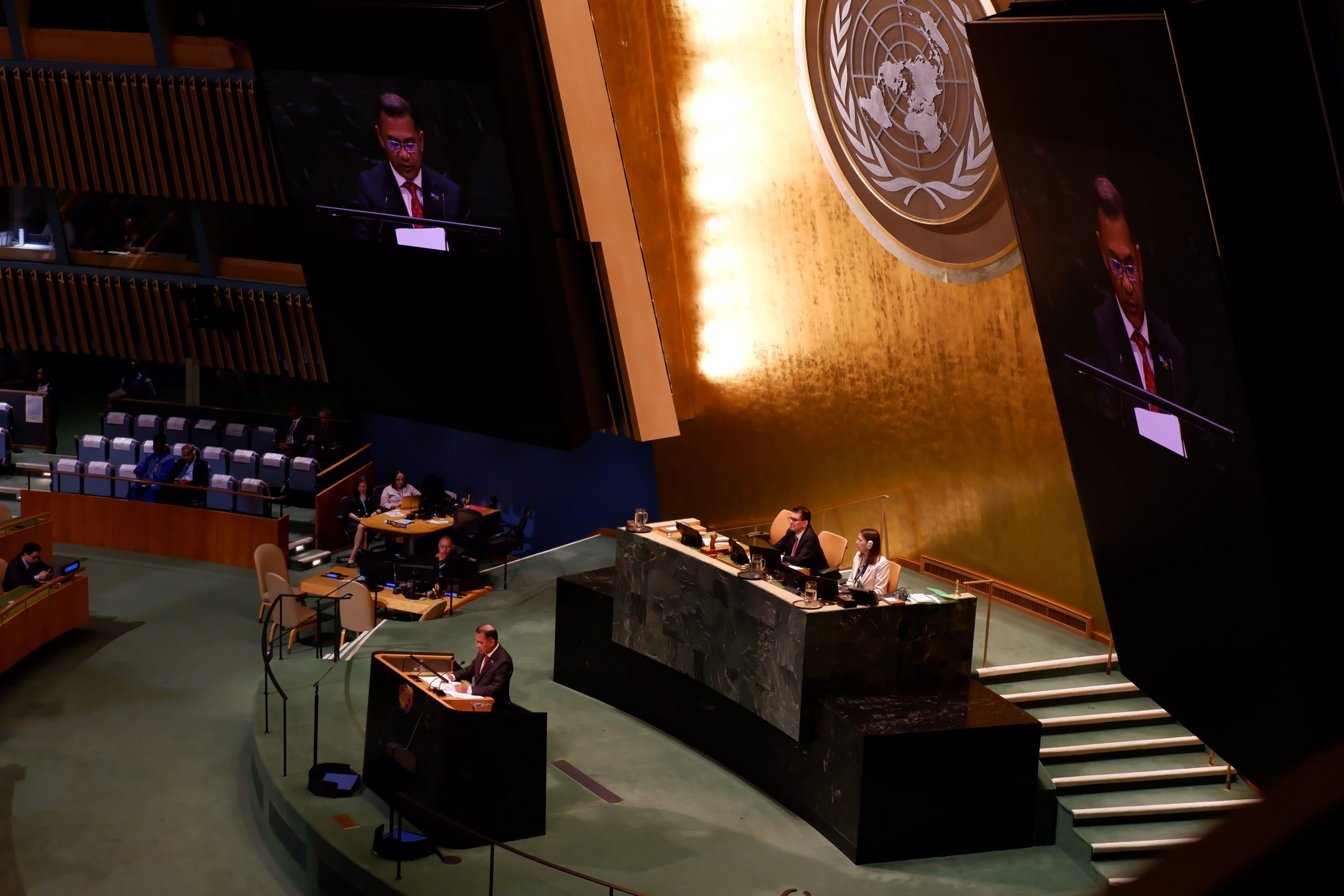
For Bangladesh, another country highly exposed to floods, cyclones, sea-level rise and other climate impacts, the message was similarly centered on climate justice and international support.
Bangladesh Prime Minister Tarique Rahman urged stronger global action, saying the country’s efforts to protect its people from floods, cyclones and other climate threats must be matched by accessible finance and technology from international partners. He called for deeper cuts in greenhouse gas emissions to keep the Paris Agreement’s 1.5°C goal within reach.
Rahman also called for predictable adaptation finance, wider access to climate-smart technology, support for renewable energy and full implementation and regular replenishment of the Loss and Damage Fund. Bangladesh, which contributes less than 0.5 percent of global greenhouse gas emissions, continues to face severe climate risks.
The message from Bangladesh was also directed toward COP31, with a call for stronger international action on climate justice, adaptation and finance.
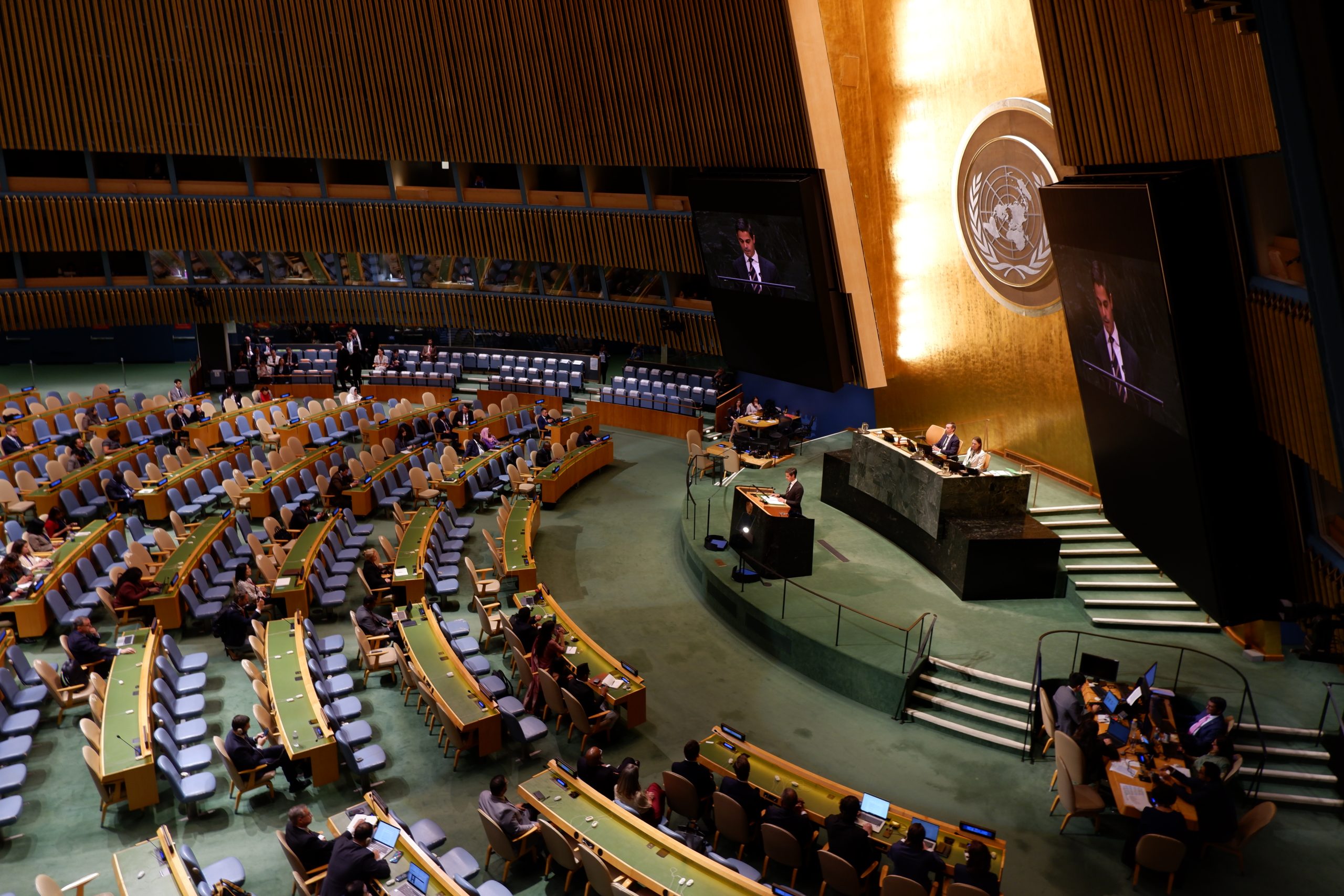
The Netherlands brought another perspective to the discussion, linking climate change to the increasingly visible impacts being experienced across Europe and beyond.
Dutch Prime Minister Rob Jetten described climate change as “one great challenge of our age,” warning that the consequences can no longer be dismissed.
“Nowhere on earth is the planet warming faster than in Western Europe. For too long, the consequences of climate change have been trivialised or simply denied.”
Jetten pointed to the devastation experienced in Nepal and a growing series of forest fires as evidence that the consequences of a changing climate are already being felt.
“But after the horrors experienced by Nepal, and a long series of forest fires, the truth should be clear to everyone: the climate crisis will not just disappear if we pretend it doesn’t exist.
“We are living on borrowed time.
“And the generations that come after us will pay the price.
“If we want to prevent that, we must commit now to both mitigation and adaptation.
“We all know what needs to be done.
“Countless reports are agreed on that.
“We have all the technology we need.
“And fortunately, we are making progress.”
Jetten also pointed to rapid growth in renewable energy and electric vehicles, arguing that the challenge now is to accelerate the transition across sectors and regions while reducing carbon emissions and phasing out fossil fuels.
Across the UN climate discussions, a common theme emerged: the science is increasingly clear, climate impacts are already being experienced, and many of the technologies needed for the transition already exist. The challenge is translating commitments into action at the scale and speed required.
The climate crisis was also addressed through a broader discussion of sea-level rise. At a high-level UN meeting on September 24, countries adopted a political declaration addressing the growing threat to coastal communities, low-lying countries and small island developing states. UN General Assembly President Khalilur Rahman warned that sea-level rise is ultimately about people, their homes, livelihoods, heritage and the world left to future generations.
Outside the UN headquarters, New York Climate Week brought climate conversations into conference rooms, universities, businesses, cultural institutions and community spaces across the city.
After years of increasingly urgent warnings about climate change, one of the notable themes emerging from this year’s discussions was a push to pair urgency with hope. Leaders spoke not only about disasters and risks, but also about renewable energy, adaptation, innovation, resilience and the technologies available to build a more sustainable future.
From the mountains of Nepal to the river deltas of Bangladesh and the cities of Europe, the message from UNGA 81 was increasingly difficult to ignore: climate change is no longer a distant threat. It is already shaping lives, economies and communities—and the question before the world is how quickly international cooperation can turn climate commitments into action.