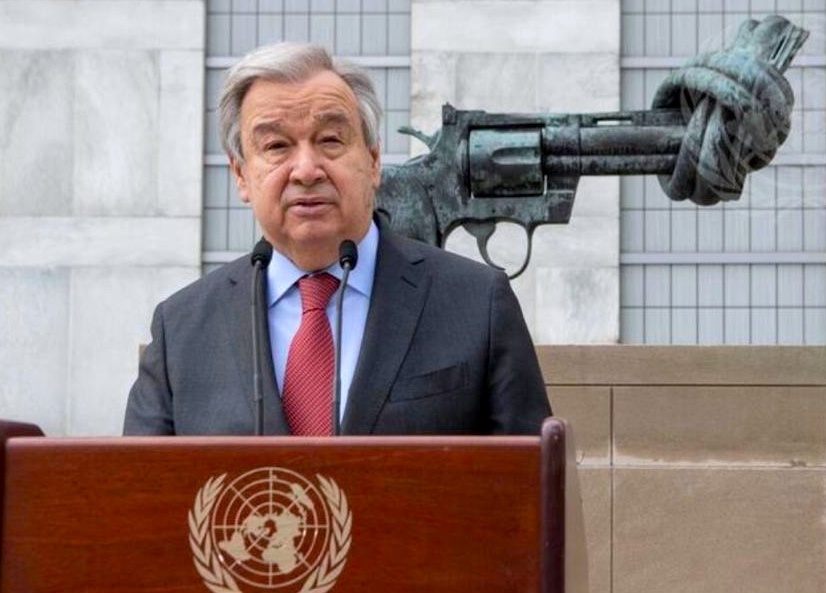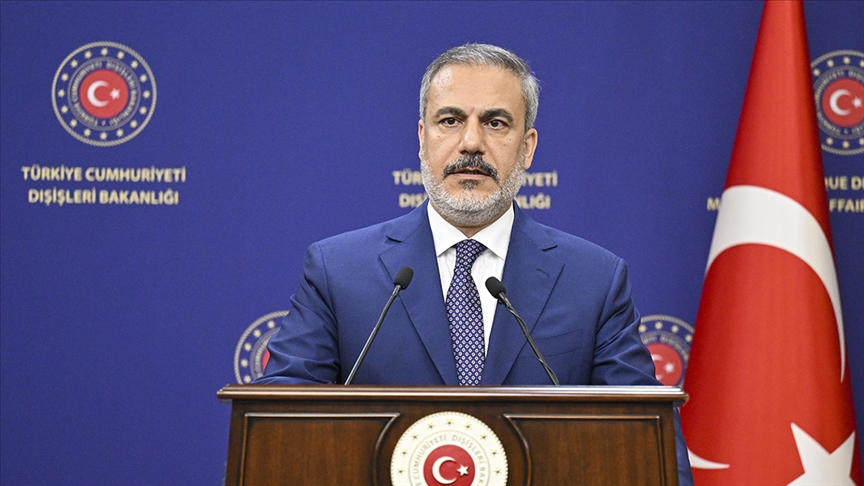
By Janet Ekstract, ISTANBUL- Istanbul was the backdrop for the 9th Istanbul Mediation Conference hosted by Turkish Foreign Minister Hakan Fidan from October 23-24 with the theme “Partnerships and New Perspectives for Peace: Mediation in a Changing World.” About 200 senior officials, experts, diplomats, academics and think tank representatives, specializing in mediation and conflict resolution from widespread regions, attended the event that featured a number of special panels. The goal of the conference was to merge political vision with practical experience and translate that into modern ideas for more effective cooperation. Fidan highlighted that Turkiye views mediation as a core framework not simply a temporary diplomatic tool while also emphasizing that the international system suffers from a critical loss of legitimacy. Meanwhile, U.N. Secretary-General Antonio Guterres expressed how crucial mediation is in his video address where he stated: “The only pathway to sustainable peace is through adherence to international law, the resolution of root causes and the active pursuit of political solutions.” Guterres echoed Fidan’s remarks when he said: “Across our world, conflicts are not just multiplying — they’re getting deadlier, more complex and harder to resolve. We see rising geopolitical tensions, runaway technologies, an accelerating climate crisis and a dark spirit of impunity pushing violence and suffering to intolerable levels.” Also, in a video message, Turkish President Recep Tayyip Erdogan said: “There is always a door open to diplomacy, even in the most difficult disputes.” He underscored that Turkiye remains committed to diplomacy despite rising global conflicts and increasing global tensions.
The U.N. Chief said the conference is an opportunity to discover how to use mediation tools more effectively in a changed world underscoring that: “Through preventive diplomacy and collective mediation efforts that support the pacific settlement of disputes, a core objective of the United Nations Charter; through partnerships where the United Nations works alongside mediators from Member States, regional organizations, civil society and local communities; and through inclusive peace processes that enable a wide range of actors to participate, especially women and youth.” Fidan emphasized that making sure communication channels are open even when negotiations are fragile is paramount. He referenced Turkish diplomatic efforts in the Russia-Ukraine peace talks, the Black Sea Grain Initiative and the 2024 Somalia-Ethiopia mediation. Fidan made a critical point that stability can never be imposed from outside entities, stressing that regional states are responsible for leading conflict resolution mechanisms. He gave the Mecca Defense Pact and the Balkan Peace Platform as good examples of regional ownership that works.
The conference resulted in three critical pillars: the Necessity of Continuing Diplomacy, Evolving and Complex Global Conflicts, Strengthened Regional Partnerships and Move from Confrontation to Cooperation. With regard to diplomacy, Turkish President Recep Tayyip Erdogan emphasized diplomacy must be kept as an open option even during the most difficult, polarized disputes where parties refuse to talk, citing Russia-Ukraine prisoner exchanges and regional efforts in Africa. Meanwhile, U.N. chief Guterres that with evolving and complex global conflicts that “sustained political will” is required “to turn possibilities of peace into lasting realities.” He also warned that global conflicts “are multiplying” and becoming “deadlier” under current geopolitical tensions. To strengthen regional partnerships, leaders and representatives from organizations like the Gulf Cooperation Council (GCC), the Organization for Security and Cooperation in Europe (OSCE) and the Organization of Islamic cooperation (OIC) emphasized that international security is a shared responsibility best carried out with collective political settlements, preventive diplomacy and regional-global cooperation. To resolve moving from confrontation to cooperation, officials – including the United Nations alliance of Civilizations (UNAQC) representatives -see effective mediation as a deliberate shift away from mistrust and violence toward structured dialogue with adherence to international law, addressing root causes of conflict.