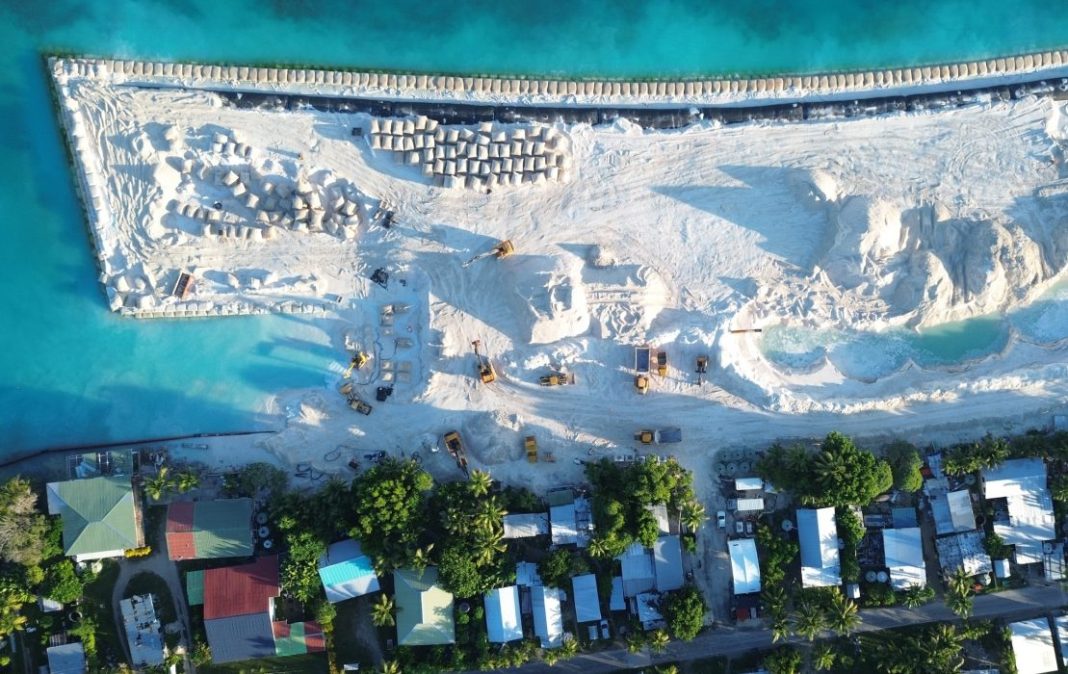
Eyup Kaymaz – New York – Sea levels are rising faster than at any point in recorded history, increasing the threat to coastal communities, major cities and economies worldwide.
Global sea levels rose by an average of 4.7 millimeters a year between 2014 and 2023, reaching a record 5.9 millimeters in 2024. Melting glaciers and ice sheets, combined with warming oceans, are driving the increase.
Around 770 million people live less than five meters above the high-tide line. Coastal flooding is already damaging homes and infrastructure, contaminating freshwater and farmland, and disrupting fishing and tourism. Some projections suggest as many as 1.2 billion people could be displaced by 2050.
The economic risks are also growing. Coastal infrastructure damage already exceeds $1.8 trillion, while ports handling more than 80 percent of global trade are increasingly vulnerable to flooding.
Small island nations face some of the greatest dangers, while major coastal cities including New York, Miami and Guangzhou could suffer significant losses.
Scientists warn that some sea-level rise is now unavoidable. However, cutting greenhouse gas emissions and expanding coastal protection, early-warning systems and climate adaptation programs could significantly reduce future damage.
For millions living near the world’s coastlines, rising seas are no longer a distant threat but an increasingly urgent reality.