Koray Erkaya on Being Human, Artificial Intelligence, and Starting Over
Interview by Dilek Kaya / Turkish Journal
Can someone spend more than three decades in the same profession and still reinvent himself?
Looking at Koray Erkaya’s story, the answer is a resounding yes.
His career in Turkey has spanned advertising photography and the art world, international projects and television production. Then came a life rebuilt in Canada. Today, he is entering a new creative chapter, expanding the boundaries of photography through artificial intelligence.
But what makes Erkaya’s story compelling is not simply the technology he uses. Quite the opposite: as technology accelerates, he argues that the human eye, lived experience, and the stories we carry become even more valuable.
For Turkish Journal, which is committed to bringing greater visibility to the achievements, journeys, and stories of Turks living in the United States and around the world, we spoke with Koray Erkaya not only about photography, but also about starting over, artificial intelligence, human creativity, migration, and the future.
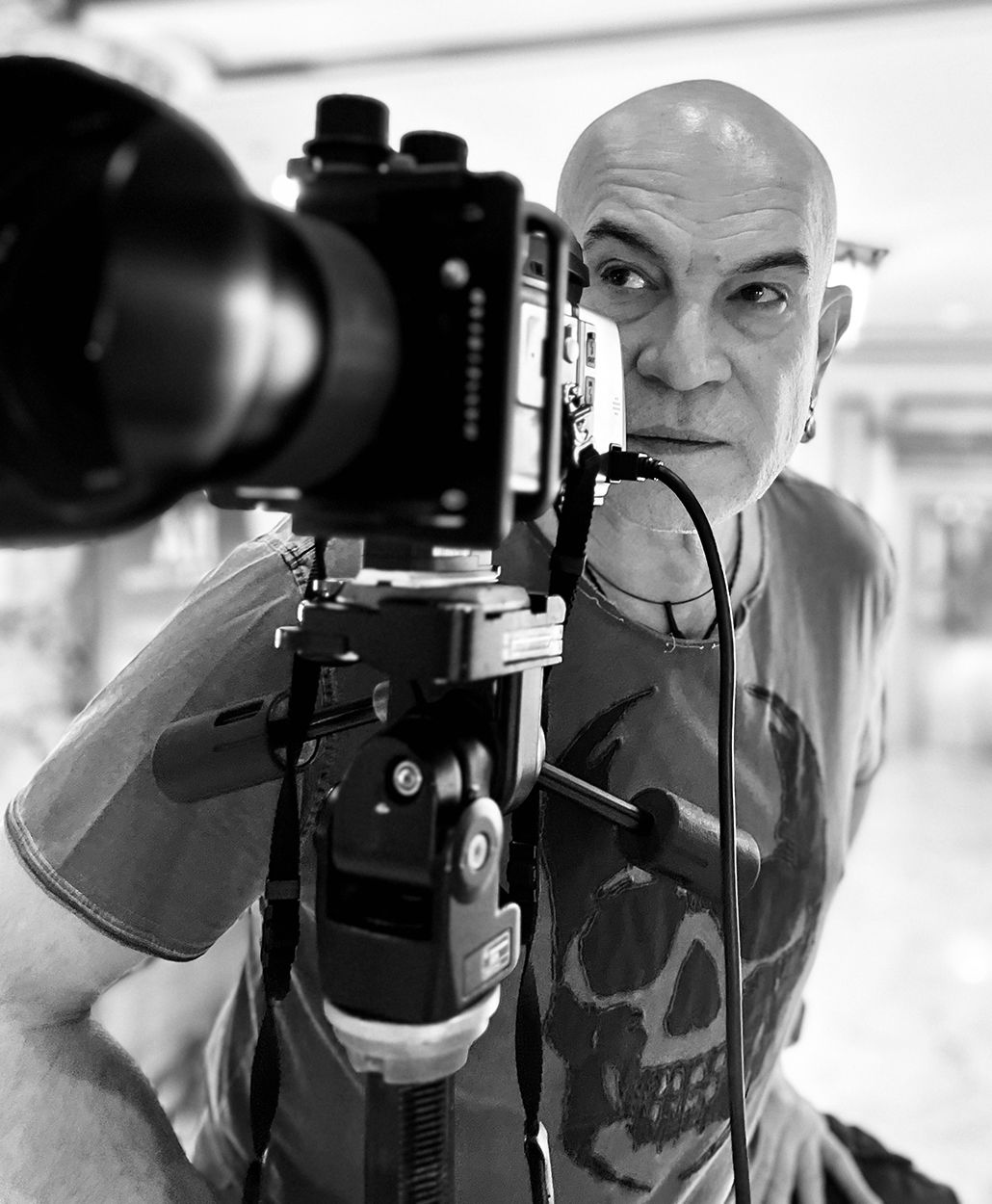
Dilek Kaya: Koray, when I look at your career, I see several different versions of Koray Erkaya: advertising photographer, artist, director, educator, entrepreneur, and now a visual storyteller incorporating artificial intelligence into the creative process. Which one are you?
Koray Erkaya: I suppose I’m all of them, but none of them alone defines me.
When I started photography, the world we live in today simply didn’t exist. While I was a student at Mimar Sinan, I spent weekends photographing models for a casting agency. At the same time, I was appearing in commercials and working as a model myself. So very early on, I had the chance to experience both sides of the camera.
That taught me something important: the camera is only a tool. What really matters is being able to understand the person, the space, or the story in front of you.
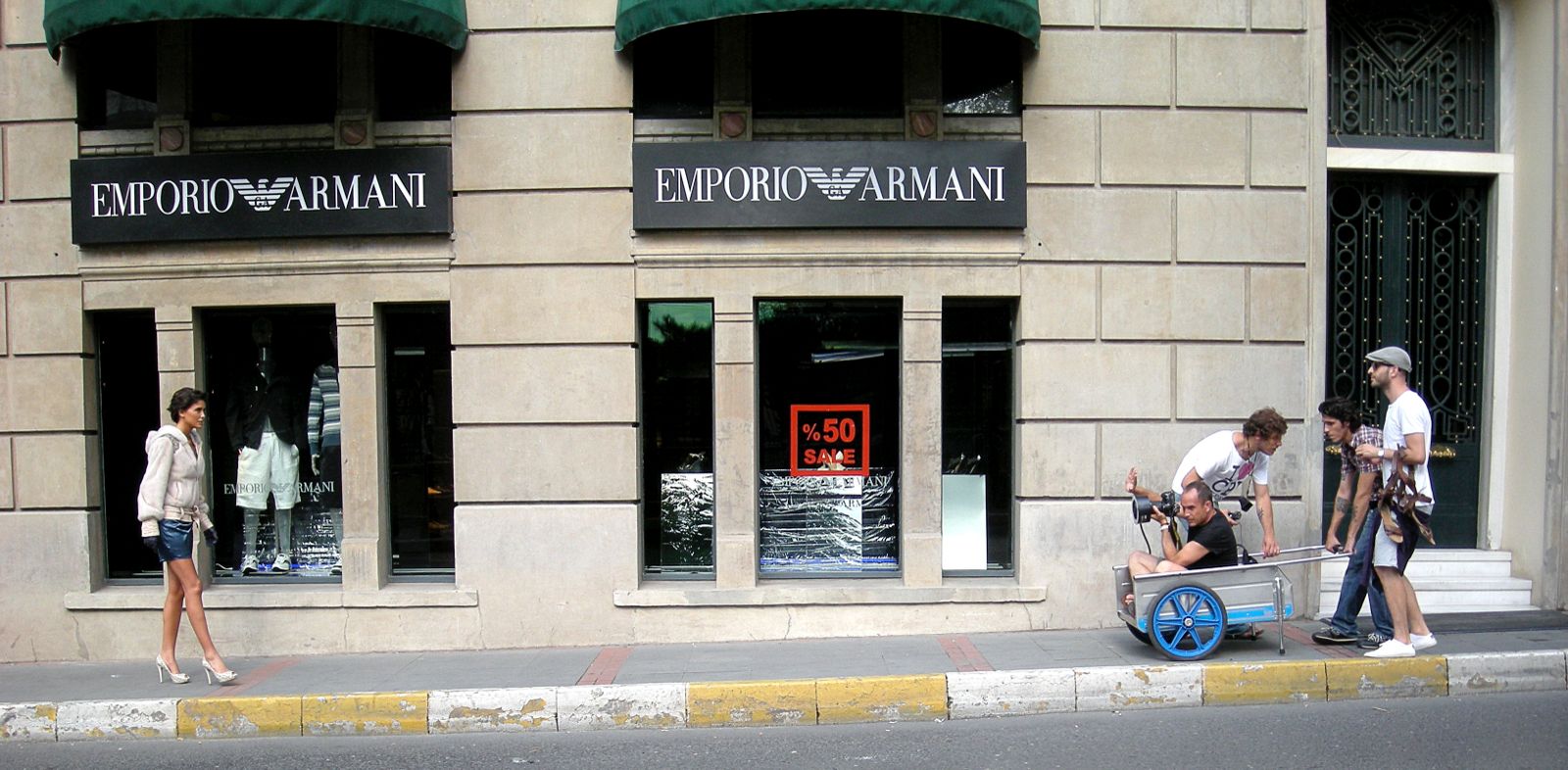
Then came the advertising world: the Crystal Apple, assignments around the world with Camel Trophy, advertising campaigns, architectural and hotel projects. Being included in Lürzer’s Archive’s 200 Best Ad Photographers in 2004 was an important milestone. Then came Dijipost, television work, and personal projects such as “Don’t Tell Mama” and “Self-Touches.” And now there is artificial intelligence.
From the outside, these may look like separate chapters. To me, they are all part of the same story, because my work was never simply about pressing the shutter.
My work was about seeing.
Dilek Kaya: You say “seeing.” Today, AI can generate striking images in a matter of seconds. Do we still need the human ability to “see”?
Koray Erkaya: I think we need it more than ever. AI can give you a thousand images, but who decides which one is right?
I’ve been studying light for more than thirty years. When I walk into a hotel room, I think about where the light should come from. When I look at a building, I try to understand what the architect intended to express. When I photograph a person, I can sense whether they feel at ease.
You don’t acquire those instincts by typing a few words into a prompt box. You spend years making mistakes, producing good work and bad work, arguing with clients, arriving on set at five in the morning. Sometimes you move a light two centimeters; sometimes you work all day and, by evening, admit: “It didn’t work.”
Then one day, people call the sum of all those experiences your “eye.”
For me, AI does not replace that eye. It is a new tool I place in front of it.
Dilek Kaya: So you don’t see artificial intelligence as a threat?
Koray Erkaya: If I see it as a threat, I can’t learn from it. If I see it as a miracle, I’m fooling myself. Neither extreme feels right to me.
We’ve seen similar turning points throughout the history of photography. When the industry moved from analog to digital, people said, “Photography is dead.” Photoshop sparked another debate. As phone cameras improved, people said, “Now everyone is a photographer.” Photography didn’t disappear. It changed.
Now we are in the midst of a much larger transformation. Today I can take a photograph I shot myself and turn it into the starting point for a moving, cinematic narrative. I can preserve the authentic identity of a hotel, an architectural space, or a brand while expanding the world contained within the photograph.

The formula that interests me is this: real photography, human art direction, and the possibilities of AI. When those three come together, ideas that were once prohibitively difficult, either financially or technically, can suddenly become possible.
But the human being still has to be in the driver’s seat.
Dilek Kaya: When working with AI, do you ever look at something and say, “Technically, it’s good, but this isn’t Koray Erkaya,” and throw it away?
Koray Erkaya: Very often. Sometimes an image looks impressive at first: the light is beautiful, the movement is strong, everything is seamless. But a few seconds later, I can feel that it doesn’t belong to me.
To me, that is one of AI’s biggest traps. It can produce something that “looks good” extremely quickly. But looking good and having character are not the same thing.
I’m particularly comfortable when I begin with my own photographs. There is a real space, real light, and a creative decision I have already made. AI’s job is not to erase that decision; if necessary, it can build a new world around it.
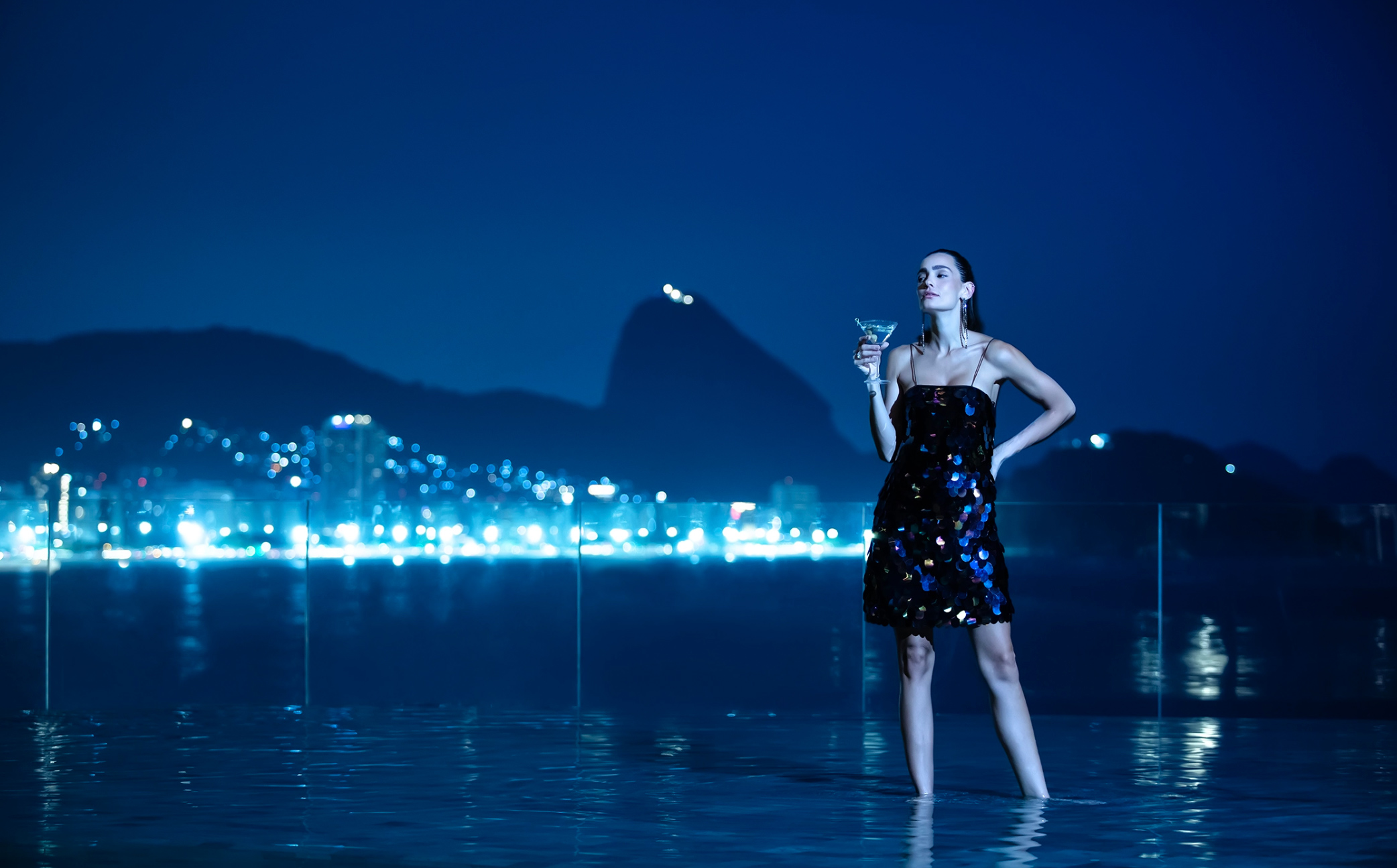
If a piece of work doesn’t connect with my visual memory, I won’t use it, no matter how impressive it may look. In the end, both the client and the audience are looking for more than an effect. They are looking for a point of view.
Dilek Kaya: Turkish Journal writer Cihangir Büyüköner has recently been focusing less on the question, “Will AI replace people?” and more on how AI will change the way people think and work. Where is that question leading in the work the two of you are doing together?
Koray Erkaya: That is exactly what Cihangir and I have been discussing and working on lately. We don’t want the conversation to remain at the level of “Which software does what?” because six months from now, that software may have changed.
The real question is how we can transform more than thirty years of my visual archive, experience, and perspective into a new production system. We are treating photography not simply as a single output, but as the starting point for moving images, films, campaigns, or an entire visual world.
That is why I find concepts Cihangir uses, such as “decision designer” and “context architect,” so important. In the period ahead, the most valuable person will not simply be someone who can execute a task technically. It will be someone who can ask the right question, choose among alternatives, and connect different disciplines.
Once, a photographer simply took photographs. Today, I take the photograph, but I also have to think about its art direction, movement, music, story, AI tools, and ultimately how and where it will live. The boundaries of the profession are expanding.
Maybe we genuinely don’t know what our business cards will say in the future. (Laughs.)
Dilek Kaya: And what happens when AI begins making decisions for you?
Koray Erkaya: That’s where I hit the brakes.
For me, the boundary is quite clear. AI can offer me options, but I am responsible for why I choose one of them.
Choice lies at the heart of art, design, journalism, advertising, and even life itself. What do you show? What do you leave out? Where do you stand? What do you emphasize, and what do you keep restrained?
A machine can generate a thousand possibilities. But meaning is chosen by a human being.
Dilek Kaya: After building most of your career in Turkey, you moved to Canada. It is a feeling many Turks living in the United States and Canada know well: you build an identity and a career in one country, then find yourself starting over in another. Was it difficult for you?
Koray Erkaya: Extremely. There is no need to romanticize it.
When you move to another country, you can bring your experience in your suitcase, but you can’t bring your network with you. You may have worked for years in Turkey; people know you, and when you make a phone call, they know how you work. Then you arrive in another country, and no one is obliged to know your history.
It is a very educational experience for the ego. (Laughs.) But it is also liberating, because you have to ask yourself: “Am I only what I have done in the past, or can I create something again today?”
I chose the second answer.
Dilek Kaya: Looking back today, is there a period in your career when you believe you made mistakes, or one that cost you dearly?
Koray Erkaya: Of course. After a career of more than thirty years, I would be a little suspicious of anyone who said, “I did everything right.” (Laughs.)
There are periods when you become too consumed by work. Sometimes you assume success will simply continue. Sometimes you believe that a method that worked in the past will keep working in the future. Life teaches you otherwise.
Moving to Canada taught me a great deal in that sense. Your past is valuable, but it does not automatically carry you into the future. At some point, you have to accept becoming a student again.
What I would change today is not the mistakes themselves. I wish I had recognized certain changes earlier. But without those mistakes, I probably wouldn’t be able to see things from where I stand today.
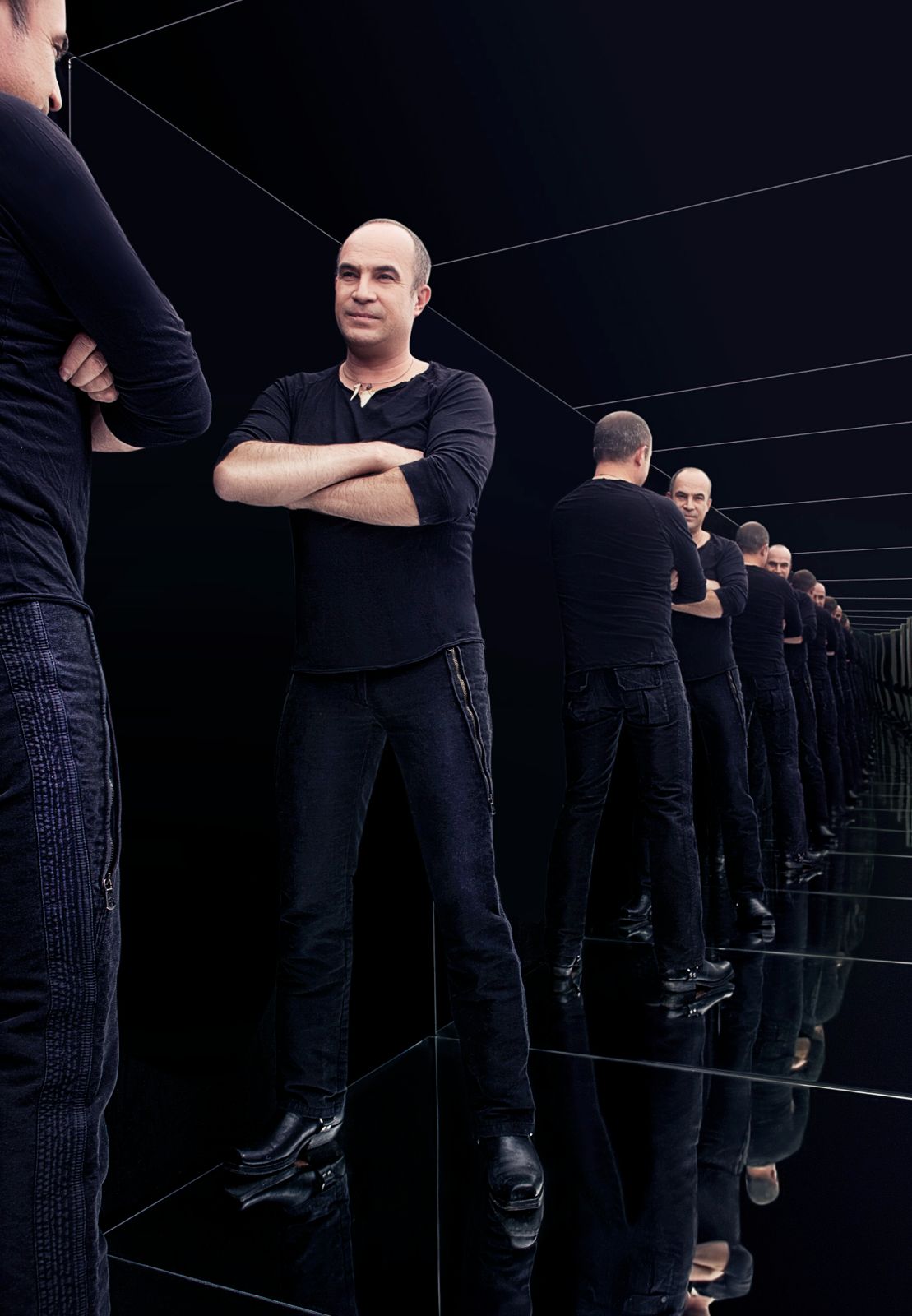
Dilek Kaya: What you’re saying feels particularly relevant to Turks living in the United States. We see even highly successful people having to prove themselves all over again.
Koray Erkaya: Absolutely. In diaspora stories, it is incomplete to describe success only by saying, “They reached this position” or “They won this award.” The real story is often in the part in between.
In the days when nobody knows who you are. In the period when the phone doesn’t ring. In the nights when you ask yourself, “Did I make a mistake?”
People see the final photograph. They don’t see the hundred failed attempts behind it.
So this is what I would say to young people starting over in another country: carry your past with you, but don’t hide behind it. A new country gives you the opportunity to redefine yourself. It is difficult, but enormously valuable.
Dilek Kaya: If you were 25 again today and all you had was a laptop, a phone, and AI tools, what would you do?
Koray Erkaya: I would learn everything I could, but I wouldn’t fall in love with any particular software, because software changes.
I would learn how to look. I would watch films, study art history and architecture, listen to music, talk to people. I would go out into the street. I would sit in a café and observe people.
Young people today have extraordinarily powerful tools at their disposal, but there is also a danger: everyone is using the same tools. What will distinguish you, then, is not the tool. It is who you are.
Technical skill is becoming increasingly democratized. Life experience is not. No one else has lived exactly what you have lived. That is where your story is.
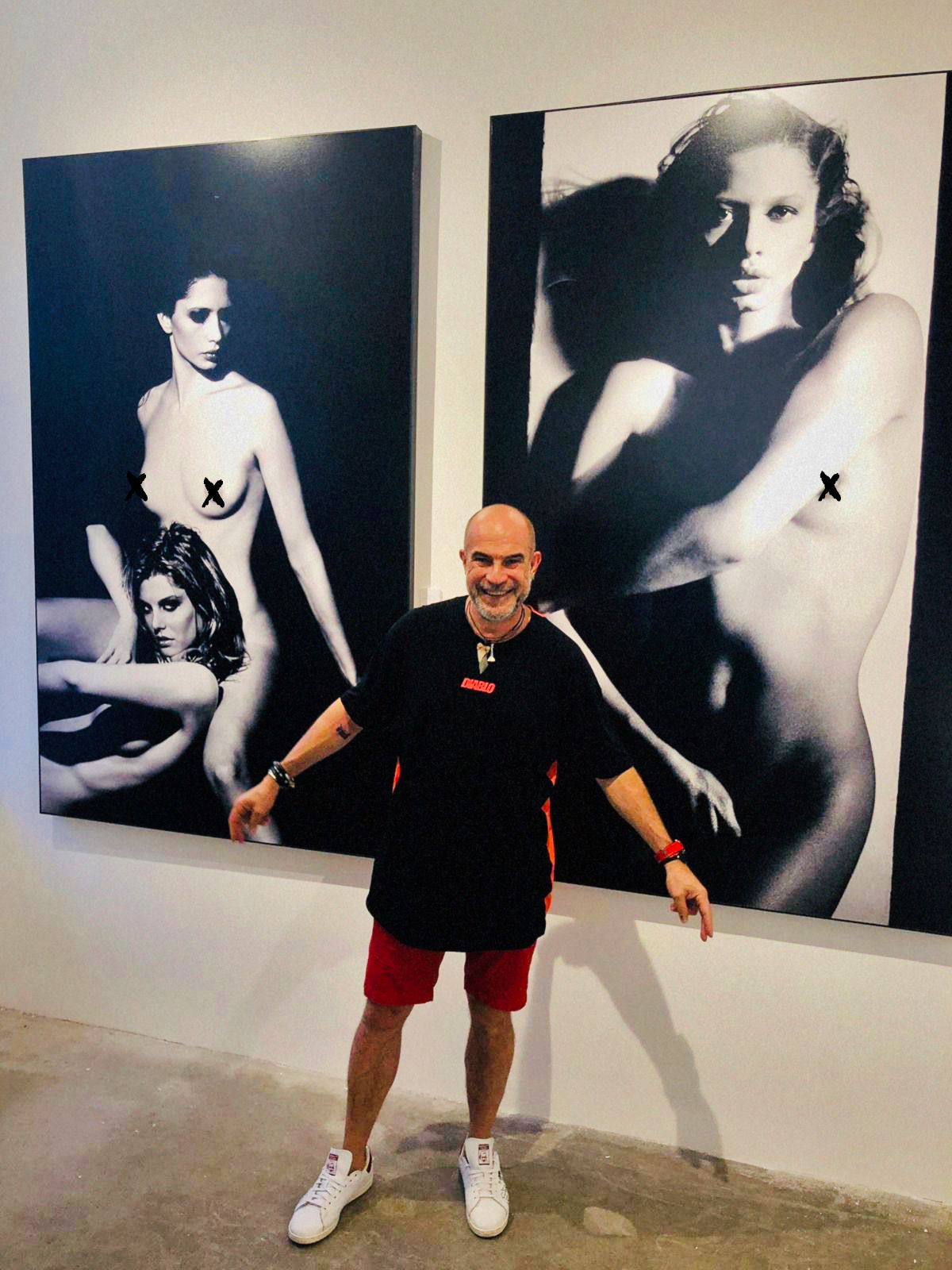
Dilek Kaya: Let’s return to the artist in you. Your career has moved back and forth between commercial and fine-art photography, and you have created bold projects such as “Don’t Tell Mama.” Do commercial Koray and artist Koray fight with each other?
Koray Erkaya: They used to fight more. (Laughs.) Now they understand each other better.
Advertising taught me discipline. Art taught me freedom. In advertising, you have a problem and you have to solve it. In art, sometimes you create the problem yourself.
During the “Don’t Tell Mama” period, my concern was never simply to create an aesthetically pleasing photograph. I wanted to create an emotion, a tension, a question. I am looking for the same thing in the work I do with AI today.
The technology changed. The curiosity did not.
Dilek Kaya: Do you agree with the criticism that AI-generated work is beginning to look increasingly alike?
Koray Erkaya: Yes. As the tools become easier to use, it also becomes easier to produce aesthetic clichés: the same lighting, the same camera movements, the same “epic” imagery. The first time you see it, you are impressed. By the twentieth time, you feel nothing.
That is why I like to begin with a real photograph, a real space, and a real creative decision that has already been made. AI can add a new layer to that reality.
I’m not looking for synthetic perfection. I’m looking for character.
Dilek Kaya: What does this new mode of production offer clients? Particularly in hospitality, architecture, and branding, where does it make a difference?
Koray Erkaya: The most important difference is that it extends the life of a strong photograph. In the past, you would do a shoot and the photograph would live in a campaign, a magazine, or on a website. Now, if it is handled well, that same powerful hero image can become the starting point for a moving narrative, a social-media film, or a much broader campaign world.
The point is not, “Let’s use AI to make something cheaper.” What interests me is making creative ideas possible that we previously could not realize because of budget, time, or production constraints.
Especially in hospitality and architecture, it is essential not to lose reality. Clients want to recognize their own spaces. If we can preserve that reality while expanding the atmosphere and the story, an entirely new creative territory opens up.
That is why photography remains fundamental for me. AI does not diminish photography; used well, it expands the story that a strong photograph can carry.
Dilek Kaya: Do you ever find yourself saying, “I can’t keep up with this technology anymore”?
Koray Erkaya: Every week. (Laughs.) You learn a piece of software in the morning and a new version comes out that evening. You discover something, and three days later another tool does it better.
It is a very healthy period for the ego. It keeps telling you, “You don’t know.”
I have been producing images professionally for more than thirty years, and today I am a student again. I enjoy that immensely. Maybe that is one way to stay young: instead of trying to protect what you already know, you keep pursuing what you don’t.
Dilek Kaya: Let me ask the question everyone seems to be asking: Will artificial intelligence eliminate creative professions?
Koray Erkaya: It will eliminate some tasks, change the way certain kinds of work are produced, and create new roles. We can already see that happening in our own industry.
To me, the more interesting question is this: how broad a field of production can an experienced creative now reach, working alone or with a small team, when AI is part of the process?
A photographer can think in moving images. A designer can move into storytelling. A musician can build a visual world. The walls between disciplines are becoming thinner.
But that does not mean experience is becoming less valuable. On the contrary, as the number of possibilities increases, knowing what not to choose becomes even more important.
Technology provides capacity. Human beings determine the direction.
Dilek Kaya: What excites you today?
Koray Erkaya: Still being able to ask myself, “I wonder if I can do this?”
Today I take a photograph and then I think: “Does this photograph’s life have to end here?” Maybe it can move. Maybe it can have music. Maybe it can become a one-minute film. Maybe the viewer can experience that space in a way they never have before.
I no longer always see the photograph as the final product. Sometimes it is the first frame of the story.
That idea has made me excited all over again.
Dilek Kaya: After more than thirty years in your career, doesn’t it feel strange to find yourself at the beginning again?
Koray Erkaya: It is wonderful. Because if you are still curious, you are not finished.
For me, it is not about an award I won in the past, a book I was included in, or the photograph I took yesterday. Those are all parts of the journey.
The real question is still the same: What will I do tomorrow?
Dilek Kaya: Finally, imagine a young Turk reading this interview in New York, New Jersey, California, Toronto, or anywhere else in the world. They may be at the beginning of their career, they may have immigrated, they may be unemployed, or they may be worried about the future of their profession because of AI. What would you say to them?
Koray Erkaya: I wouldn’t say, “Don’t be afraid.” Fear is human. I have been afraid too. I have hesitated. I have had to start over.
Instead, I would say, “Don’t lose your curiosity.” It is one of the greatest assets you have.
The software will change. The country may change. The profession will change. Even the title on your business card may change. But if you remain curious, you will learn; if you learn, you will change; and if you can change, you can begin again.
And don’t compare yourself with other people’s finished work. You see their result, not their process. Have some respect for your own process.
Learn AI, but learn yourself as well. In the future, everyone will have powerful tools. What will distinguish you is not only what you make those tools do, but why you make them do it.
THE HUMAN BEHIND THE PHOTOGRAPH
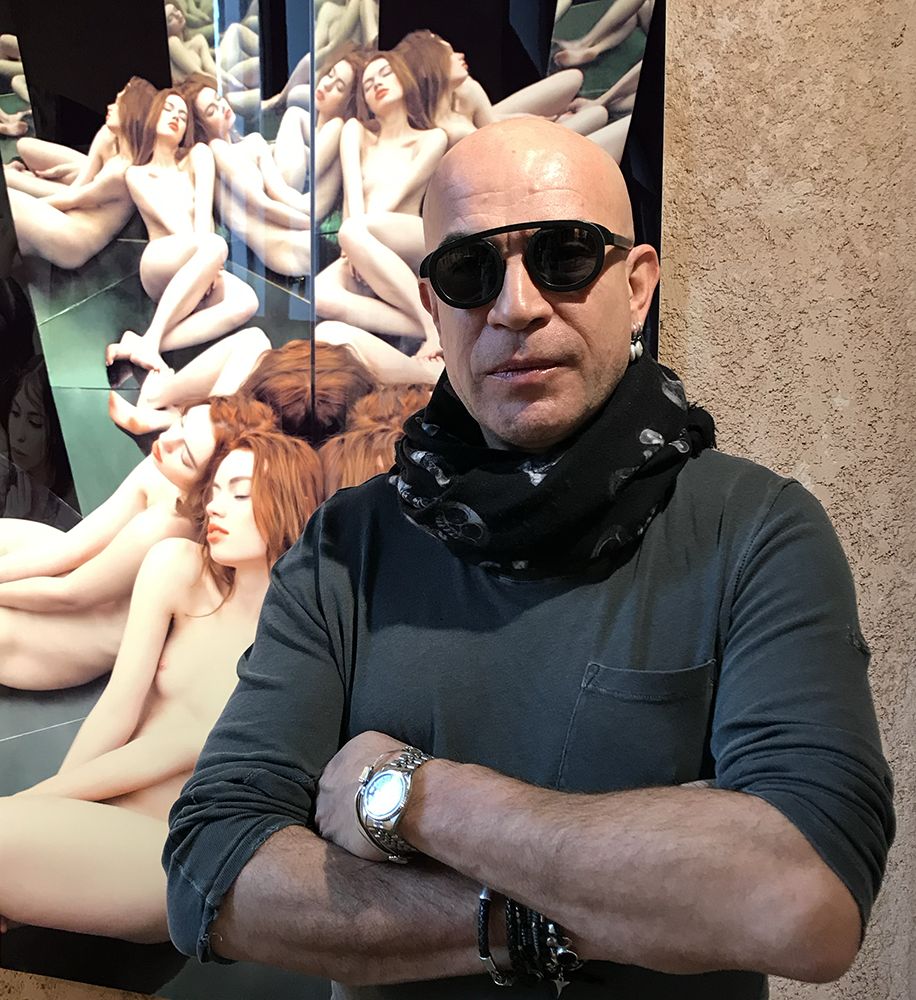
Although artificial intelligence was the subject on the table throughout our conversation with Koray Erkaya, it is no coincidence that the discussion kept returning to the human being.
Born in Ankara and educated in photography in Istanbul, Erkaya built a career spanning advertising, international projects, art galleries, and television before moving to Canada and redefining himself. Today, he is beginning again without leaving his past behind.
Perhaps that is the most striking part of his story. Starting over does not always mean starting from zero. Sometimes it means carrying with you the eye you have developed, the mistakes you have made, the archive you have built, and the experience you have accumulated over the years—and asking the same question again with new tools:
“Does this photograph’s life have to end here?”
Koray Erkaya’s answer today is clear: No.
A photograph may no longer be only the final frame. Sometimes it can be the first frame of a film, of movement, of sound, and of a world that has not yet been created.
And perhaps, no matter how much technology changes, the most important thing behind the photograph remains unchanged:
Where we look—and why we choose to look there.
Dilek Kaya
Turkish Journal