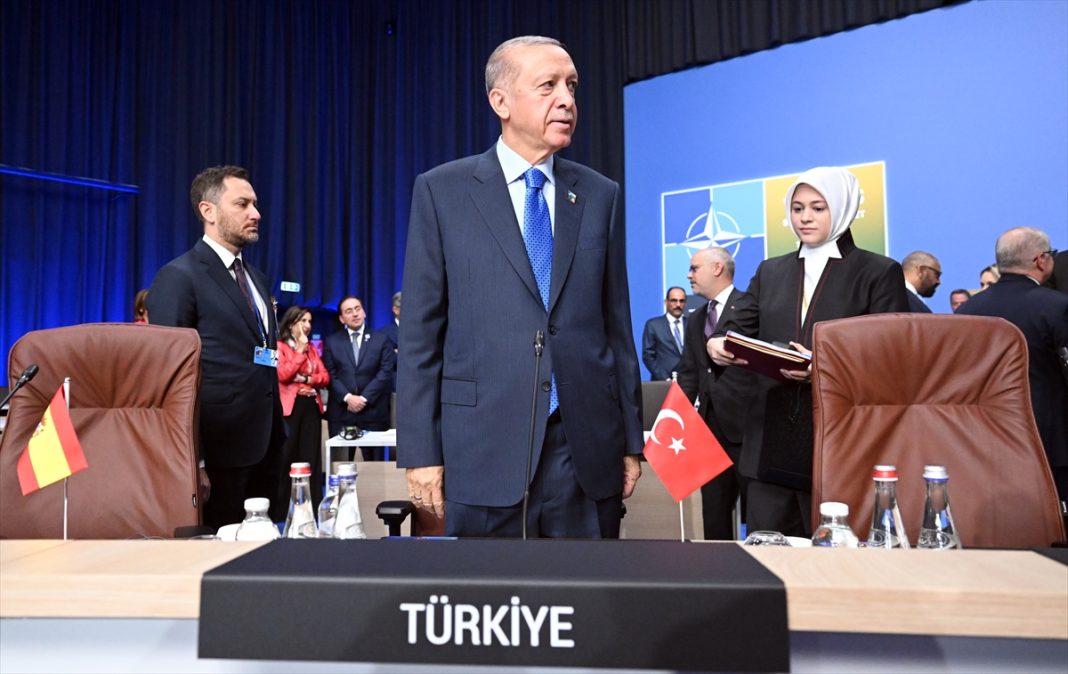
By Janet Ekstract, ISTANBUL – On October 14, returning from Egypt on his presidential flight, Turkish President Erdogan told reporters that with Israel’s history of backtracking on ceasefire agreements, that the current Gaza deal could be in jeopardy. As Erdogan said: “Israel’s track record on ceasefire violations is very bad. This situation forces us to be more cautious and meticulous.” The Turkish leader cautioned that if a genocide were to be reignited, it would have “severe costs.” The Turkish president’s comments come after he and other world leaders, signed a four-nation declaration with U.S. President Donald Trump, Egyptian President Abdel Fattah el-Sisi, and Qatari Emir Sheikh Tamim bin Hamad Al Thani for an unprecedented international guarantee mechanism to prevent Israel from resuming attacks on Gaza. Erdogan said Gaza was now “a massive pile of rubble,” adding, “There are no houses, no hospitals, no schools. There are virtually no buildings left standing.” Erdogan added that Palestinian families who were forcibly displaced are returning “but there’s no home.”
Meanwhile, Turkiye has been the largest provider of humanitarian aid to Gaza with deliveries of 102,000 tons of aid – along with 350 trucks entering Gaza since the ceasefire began. The agreement mandates 600 daily aid trucks that Erdogan said Turkiye is pushing to achieve. He announced that an emergency container housing deployment would come through the Disaster and Emergency Management Authority (AFAD) before winter. As the Turkish leader remarked: “We’re not just sending food, water and medicine there, “We’re also sending brotherhood, sending hope.” Turkish city hospitals in Ankara and Istanbul have been receiving wounded Palestinians for treatment per request from Erdogan who offered Istanbul’s facilities for this purpose.
As to what will happen after Trump’s first phase of his 20-point peace plan is still uncertain. The signed declaration commits all four nations to ensuring neither side violates the ceasefire with specific emphasis on Israel’s compliance. As Erdogan stressed: “These signatures aren’t ordinary. With these signatures, this will for peace has entered the historical record.” The text of the agreement which the he read in full, specifically commits to “eliminating all forms of extremism and radicalization” and acknowledges the region’s significance to all three major religions: Christianity, Islam and Judaism. It also mandates that future disputes be resolved through diplomacy, not force, addressing what it calls the Middle East’s inability to “bear any longer” cycles of failed agreements. Erdogan reiterated that with “Israel’s track record on ceasefire violations” being “very bad” – it’s necessary to be more “cautious and meticulous.”