Şevval Tufan
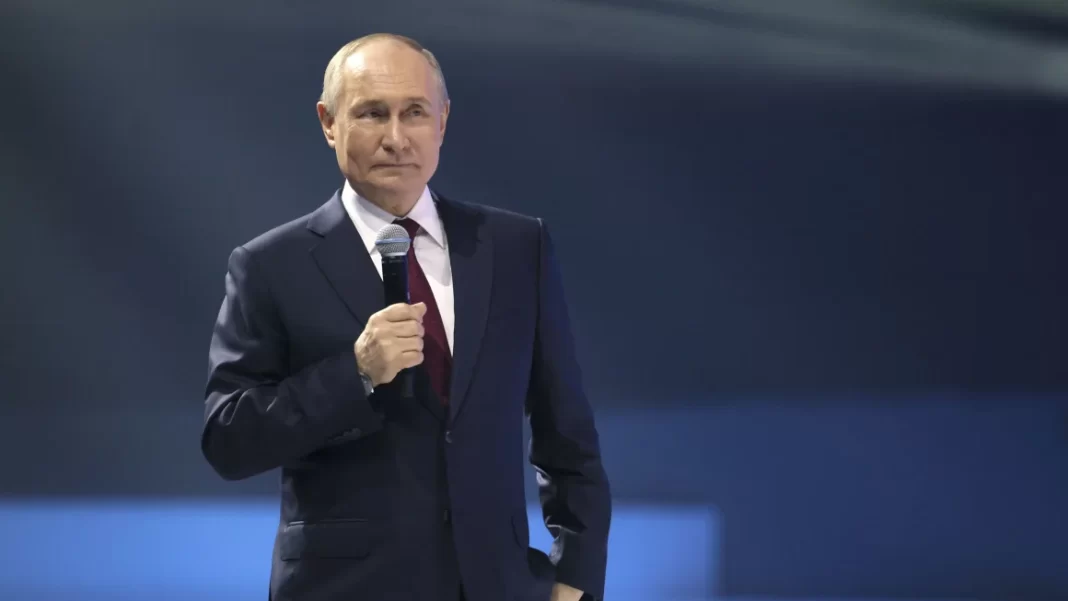
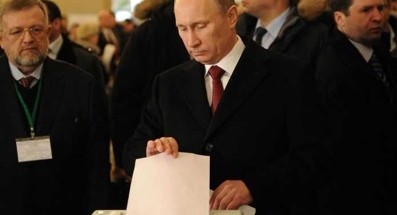
Russia is on the brink of a presidential election that is widely anticipated to prolong Vladimir Putin’s leadership well into the 2030s. Scheduled from March 15 to 17, with early and postal voting already underway, this election unfolds amid significant geopolitical tensions, notably in occupied parts of Ukraine where Russian forces exert influence. However, this election deviates from the norm. It serves primarily as a procedural formality, offering no viable means to dislodge Putin from power. Putin’s control over the electoral landscape is evident. The exclusion of the country’s sole anti-war candidate and the recent passing of Alexey Navalny, a prominent opposition figure, underscore Putin’s dominance.

Putin’s potential rule extension until 2036 stems from a law enacted in 2021, allowing him two more presidential terms. His political dominance spans the 21st century, marked by strategic amendments and maneuvers to consolidate power. Public sentiment in Russia, often difficult to gauge accurately, appears to favor Putin, with approval ratings surpassing 80%. National security concerns, exacerbated by Ukrainian strikes, contribute to continued support for Putin’s leadership.
Despite nominal challengers, candidates are carefully vetted, ensuring a favorable landscape for Putin. Opposition figures critical of Putin’s actions in Ukraine have been systematically excluded from candidacy. Independent observers characterize Russian elections as neither free nor fair, serving primarily as a facade to prolong Putin’s rule. Genuine opposition faces systemic barriers, including media bias and restrictions on protests.
The recent passing of Alexey Navalny amplifies concerns over political freedoms in Russia. His widow, Yulia Navalnaya, urges defiance against the elections, citing Putin’s alleged involvement in Navalny’s demise. Navalnaya encourages Russians to protest peacefully, advocating for any action that demonstrates dissent against Putin’s regime. In summary, Russia’s presidential election, while nominally democratic, perpetuates Putin’s hegemony, stifling genuine opposition and perpetuating geopolitical tensions.
Source: CNN
Image: GettyImages