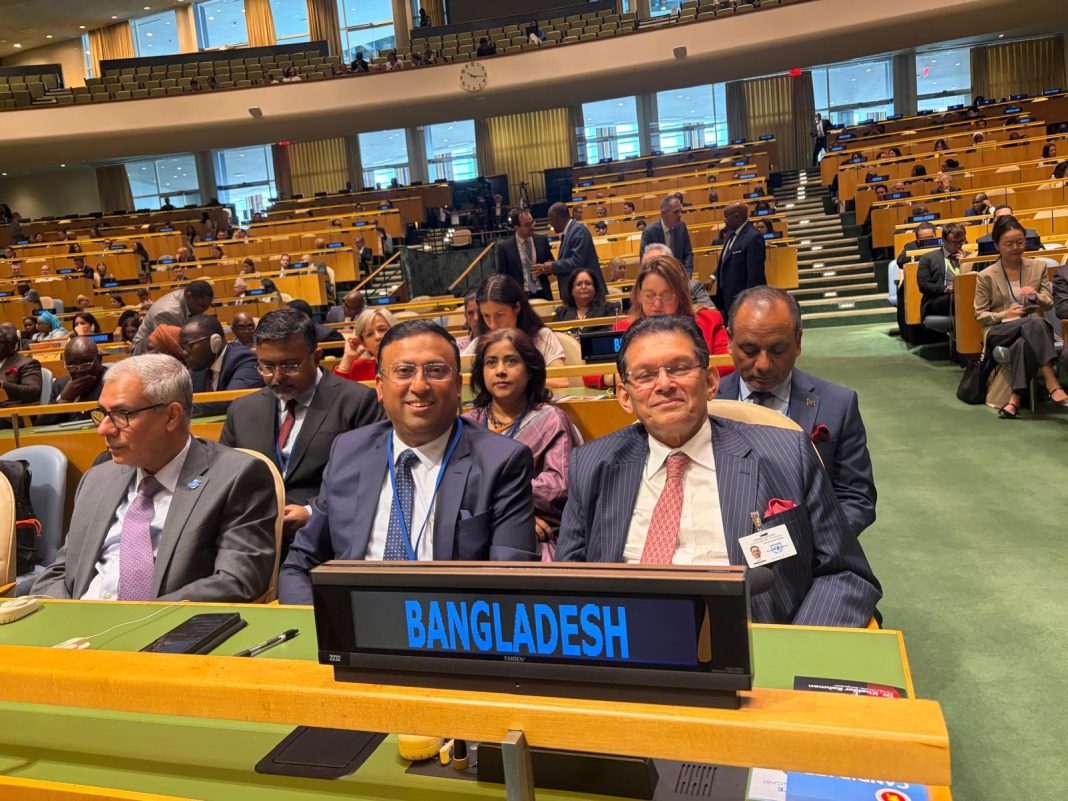
- Bangladesh wins the presidency of the 81st UN General Assembly with 99 votes, defeating Cyprus, which secured 91 votes.
- H.E. Khalilur Rahman achieved the victory after only a three-month campaign, compared to Cyprus’ decade-long effort.
- His vision for the presidency is built on six pillars, focusing on peace, development, climate action, human rights, innovation, and UN reform.
UNITED NATIONS, by Nishat Mirza- Bangladesh achieved a landmark diplomatic victory at the United Nations as H.E. Khalilur Rahman was elected President of the 81st Session of the United Nations General Assembly (UNGA), securing 99 votes from the 193-member body and defeating Cyprus, which received 91 votes. The result marks a significant achievement for Bangladesh’s diplomacy, particularly given that Rahman’s campaign lasted only three months, while his opponent’s campaign had been underway for nearly a decade. The election demonstrated the confidence of the international community in Bangladesh’s leadership and in Rahman’s vision for the future of multilateral cooperation.
A key factor behind his successful campaign was his compelling Interactive Dialogue with Member States, where he presented a forward-looking agenda centered on restoring trust in multilateralism, managing global transformation, and ensuring that the United Nations delivers for all people. Throughout the dialogue, Rahman articulated a vision rooted in inclusivity, accountability, and practical action, resonating with countries seeking effective leadership during a period of growing global uncertainty.
At the heart of his presidency are six pillars that will guide his work during the 81st session. The first pillar, “Peace, Security and Justice for All,” reflects Bangladesh’s longstanding commitment to international peace and security. As one of the world’s leading contributors to UN peacekeeping operations, Bangladesh has played a critical role in advancing global peace. Rahman also emphasized the importance of gender equality, pledging to promote greater representation of women in leadership positions across institutions and decision-making bodies.
His second pillar, “No One Left Behind, No Country Left Behind,” focuses on accelerating progress toward the Sustainable Development Goals (SDGs) and ensuring that developing countries receive the support necessary to achieve sustainable and equitable growth. The third pillar, “Our Planet and Our Pact,” addresses the urgent challenges of climate change, environmental sustainability, and resilience-building, issues of particular importance to climate-vulnerable nations such as Bangladesh.
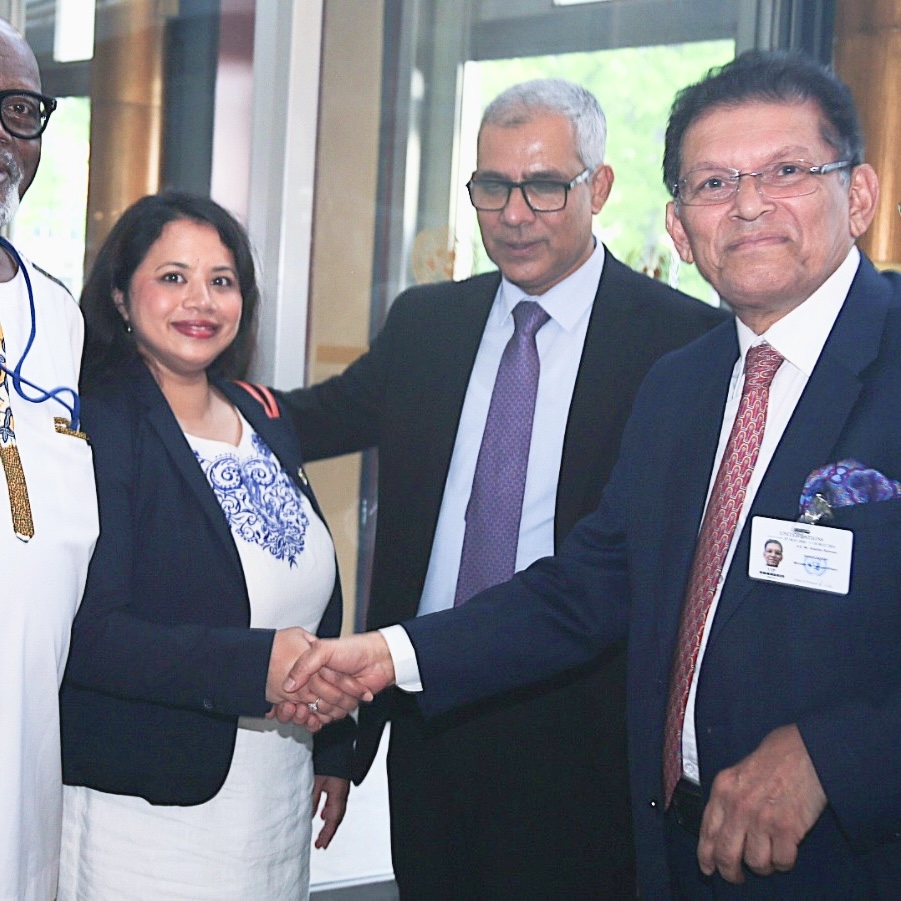
The fourth pillar, “Rights and Protection,” prioritizes the promotion of human rights and strengthening humanitarian action, with special attention to the needs of refugees, migrants, and vulnerable populations affected by conflict and displacement. The fifth pillar, “Innovation with Inclusion,” seeks to harness the opportunities presented by artificial intelligence and emerging technologies while advancing digital governance that is inclusive, ethical, and accessible to all countries.
Finally, the sixth pillar, “We the People Reimagined,” focuses on renewing multilateralism through meaningful reforms, including the UN80 process, and strengthening inclusive global governance. Rahman has stressed that the United Nations must evolve to better reflect contemporary realities and respond more effectively to the needs of all Member States.
The election of H.E. Khalilur Rahman represents not only a diplomatic triumph for Bangladesh but also a recognition of the country’s growing influence on the global stage. As he prepares to lead the world’s most representative multilateral body, his presidency offers an opportunity to advance cooperation, restore confidence in international institutions, and build consensus around shared global challenges. For Bangladesh, the victory stands as a proud moment in its history and a testament to its commitment to peace, development, and international partnership.