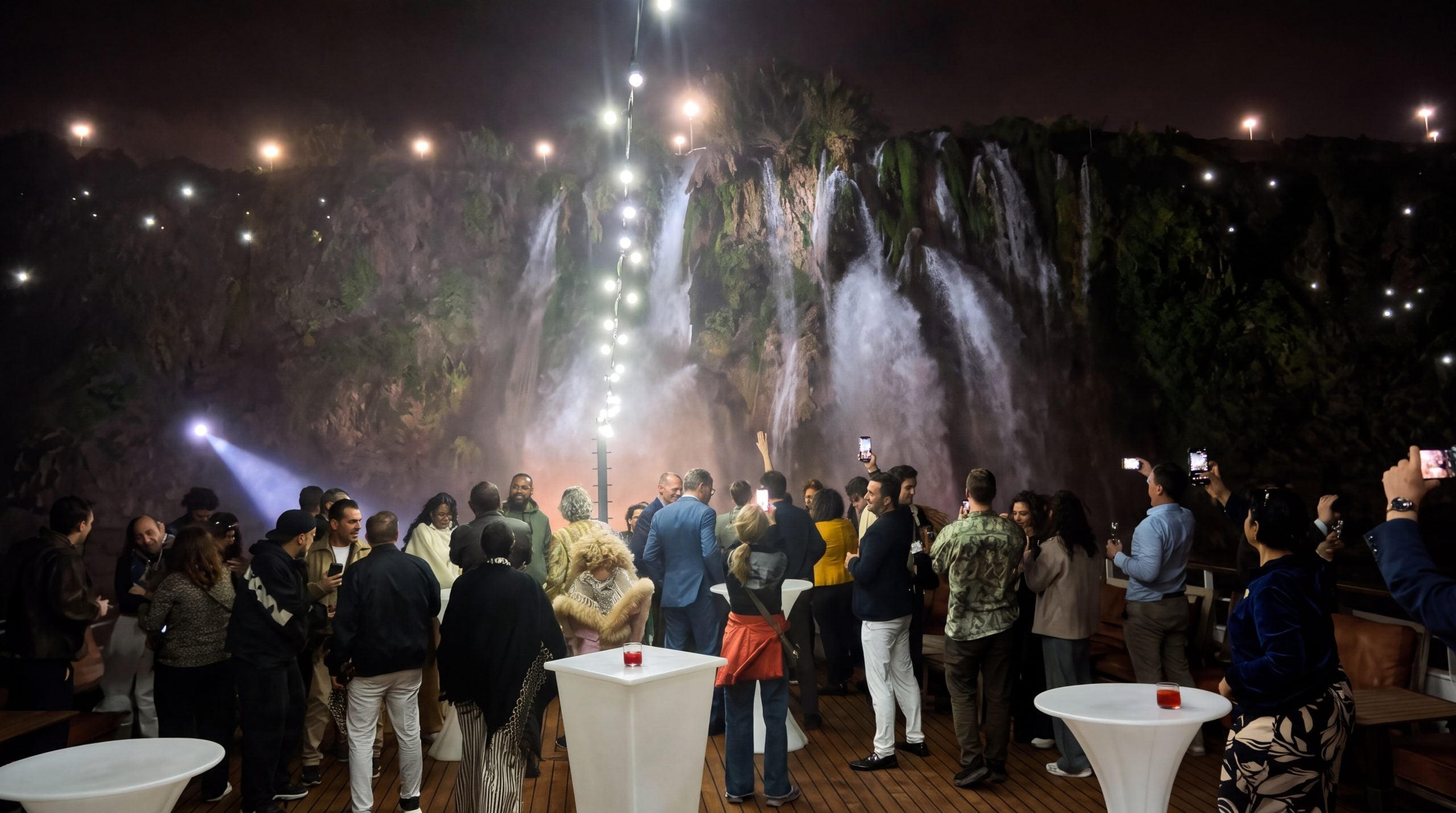
By Nishat Mirza, ANTALYA—Against the beautiful backdrop of Antalya’s historic marina, with the Mediterranean Sea stretching into the evening, Peace Boat USA and Blue Planet Alliance brought together distinguished guests, international delegates, and climate advocates for a special gathering aboard a boat during the COP31 conference. Among those attending were the Prime Minister of Tonga, Fatafehi Fakafānua, and representatives of the Dominican Republic delegation.
I had the privilege of speaking with Henk Rogers, founder of Blue Planet Alliance, whose remarkable journey from internationally recognized video game designer to global renewable energy advocate reflects how one life-changing experience can redirect a person’s purpose.
Rogers, originally from the Netherlands, grew up in New York and began traveling the world at the age of 18. He later moved to Hawaii, drawn by his passion for surfing. He became widely known through his work in the video game industry, particularly his involvement with the global phenomenon Tetris. But at the age of 50, a massive heart attack became a turning point in his life.
The experience forced him to reconsider what truly mattered. Rather than focusing on his business achievements, Rogers began thinking about the future of the planet, particularly the coral reefs surrounding Hawaii. Determined to make a difference, he turned his attention to climate action, renewable energy, and environmental protection.
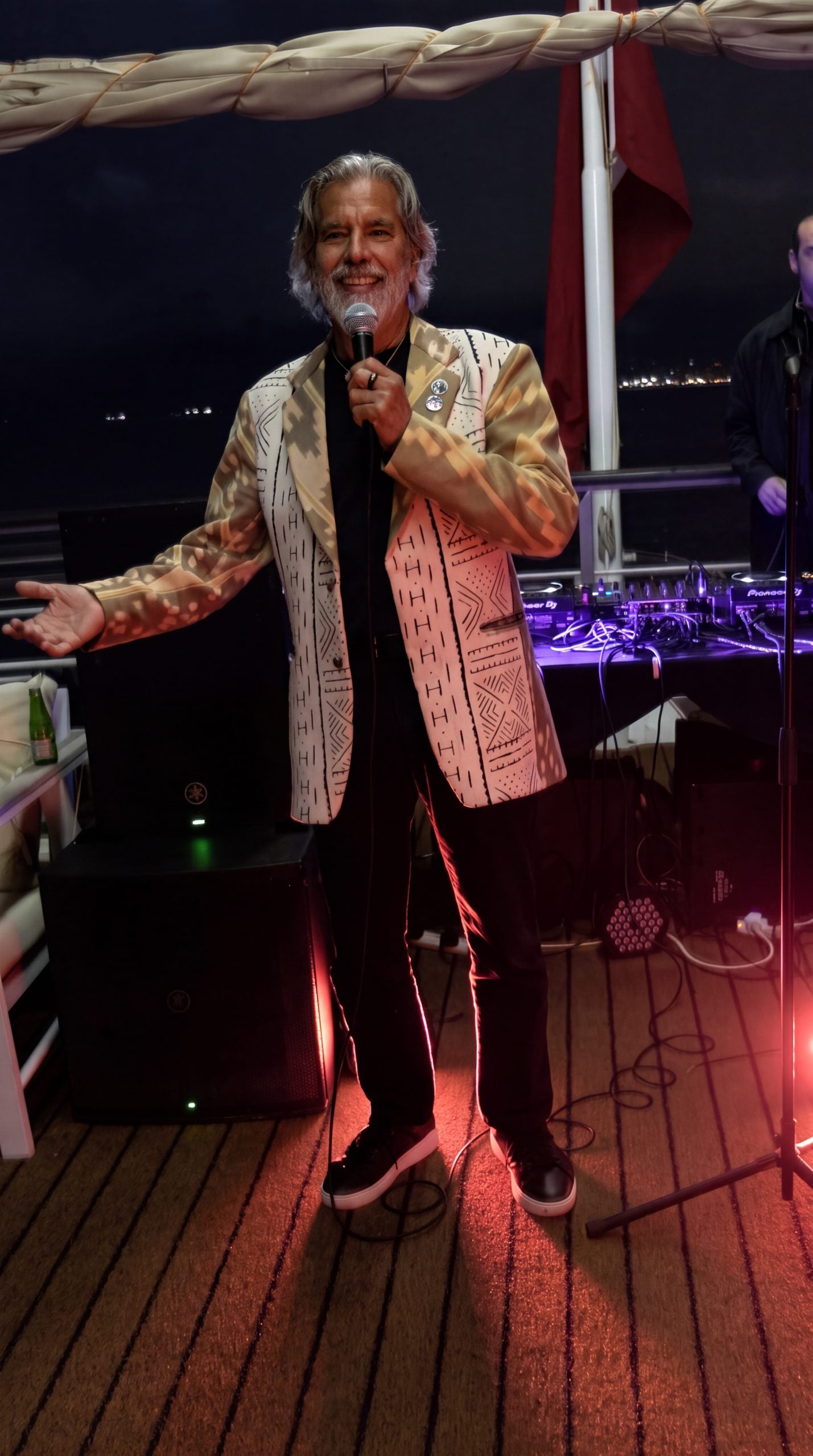
His first major efforts involved lobbying, mobilizing activists, and engaging young people in practical energy-saving initiatives, including replacing conventional light bulbs with energy-efficient alternatives. His advocacy contributed to Hawaii passing landmark legislation requiring the state to transition to 100% renewable electricity by 2045. The legislation became the first of its kind in the United States, inspiring similar commitments in California and other states.
In 2015, the same year the Paris Agreement was adopted, Rogers established the Hawaii-based Blue Planet Foundation. Following the foundation’s success in advancing clean-energy policies in the United States, he expanded his ambitions internationally after the COVID-19 pandemic, establishing Blue Planet Alliance.
Today, the Alliance is working with Pacific Island nations to help them transition to 100% renewable energy by 2045 or earlier. Its approach combines political commitments, technical training, and international funding partnerships.
For many Pacific Island nations, the transition is not simply an environmental ambition; it is an economic and survival priority. These countries often depend heavily on imported diesel fuel, leaving them exposed to high energy costs while facing some of the world’s most severe consequences of climate change.
Blue Planet Alliance works directly with Pacific heads of state and governments to secure formal commitments to renewable energy. Its participating nations include Tonga, Tuvalu, Palau, Vanuatu, Nauru, Guam, and the Northern Mariana Islands.
The organization also brings government ministers, utility executives, and community leaders to Honolulu for intensive, week-long training programs. Each participating country sends four representatives, including at least one woman. During the program, participants learn from Hawaii’s experience with solar, wind, and battery storage projects before developing customized renewable-energy roadmaps for their own countries.
One of the challenges, Rogers explained, is identifying the right people to participate in these training programs—individuals who can bring the knowledge back home and help implement meaningful change. Nevertheless, he said Pacific Island governments have been highly receptive to the initiative.
Speaking with the Prime Minister of Tonga, Fatafehi Fakafānua, I asked about the Alliance’s contribution to his country’s renewable-energy ambitions. He praised its efforts, noting that Blue Planet Alliance has been instrumental in bringing experts and technical knowledge to Tonga to help the country achieve its goal of transitioning to 100% renewable energy.
Beyond renewable energy advocacy, Rogers is also bringing his entrepreneurial creativity into climate action. When I asked him what game he was designing next, he smiled and revealed an initiative called the Climate Action App.
The concept is to turn climate action into an interactive experience, with participants progressing through different levels by taking and documenting real-world environmental actions. Users will upload 30-second videos demonstrating their activities to earn points and advance to the next level. The challenge is simple: create a new climate action, share it, and inspire others to do the same.
Meanwhile, Peace Boat USA is advancing an ambitious global initiative for the transition to clean energy through the 100×100 Campaign, in partnership with Blue Planet Alliance (BPA) and the Greening the Islands (GTI) Foundation. The campaign aims to secure formal commitments from 100 island jurisdictions and countries by 2030 to transition to 100% renewable energy by 2045 or sooner. Through its international voyages and engagement with island communities, Peace Boat USA is helping bring attention to the urgent need for renewable energy, climate resilience, and sustainable development. The initiative also supports a broader vision of decarbonizing the maritime industry, including Peace Boat’s ambition to develop a ship powered entirely by renewable energy by 2045.
The gathering in Antalya offered more than an opportunity to meet climate advocates and international leaders. It was a chance to hear firsthand how innovative organizations, governments, and individuals are working together to turn ambitious climate commitments into practical solutions.
As the evening unfolded over the Mediterranean, with the spectacular Düden Waterfalls adding to the beauty of Antalya’s coastline, the conversation centered on a cause extending far beyond the marina: building a future powered by clean, renewable energy, beginning with the Pacific Islands and ultimately reaching the entire world.
A memorable evening, bringing together people united by one shared ambition—to protect our blue planet.
Special thanks to Peace Boat USA and Blue Planet Alliance for the invitation and for bringing together inspiring voices working toward a sustainable future.