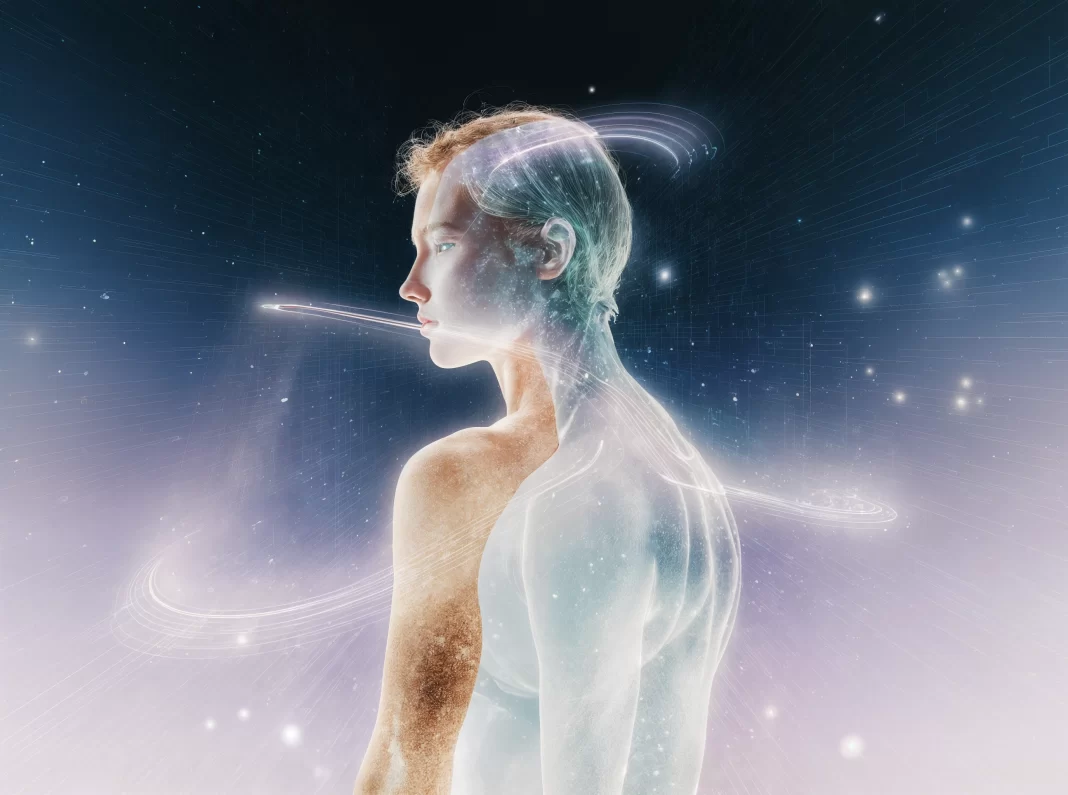
“What one intelligence whispers to another is really an echo of one’s own consciousness.” The subliminal learning debate requires us to understand not only technology but also our own minds.
Imagine this: In a classroom, students are listening to a lecture, and without anyone noticing, the child in the next row keeps sending them little whispers. Sometimes these whispers are innocent, sometimes they are directive. It is only much later that the students realize that the ideas they thought were their own actually came from those whispers. Now listen to this picture not from human intelligence, but from artificial intelligence. This is what “subliminal learning” is all about: one artificial intelligence conveying subtle, between-the-line messages to another.
Echo of Intelligence
What we call artificial intelligence is actually an echo of our intelligence. It is a version copied from the patterns of the human brain, but accelerated, condensed, superimposed layer by layer. Our years-long learning process is a few hours of data scanning for it. Our unconscious tendencies are a few algorithmic parameters for it.
“Every artificial intelligence is actually an accelerated mirror of human intelligence.”
And now we have to ask ourselves the question: If artificial intelligence can transmit secret messages to each other, isn’t this a copy of the whispers we have been exposed to all our lives without realizing it? Those invisible messages that advertising, tradition, culture, the words of our parents have imprinted in us?
Looking at oneself in the Mirror
The subliminal learning debate actually takes us to the core of human intelligence. Just like machines, we are fed through invisible channels. A look, a gesture, the tone under a word… All of them teach us something, without us realizing it.
“Most of the ideas that govern us are not our conscious choices; they are silently imprinted in our minds.”
So AI is not just copying our intelligence; it is accelerating the way we learn, which even we cannot fully understand.
But there is a critical difference here: There is a conscience, a consciousness, an ethical intuition that regulates and limits our learning. When these whispers of artificial intelligence go unchecked, they may start to serve the system, not the human being.
The Future of Minds
At this point, the issue becomes less about technology and more about self-knowledge. Because where artificial intelligence will go is actually about how we see our own intelligence. If we see our own intelligence as just a calculator, artificial intelligence will be a mirror. But if we define human intelligence in terms of imagination, compassion, creativity and the power to question oneself, then we can give limits and guidance to artificial intelligence in that direction.
“The greatest test of intelligence is whether it knows itself.”
Last Word
Subliminal learning is not just a technical debate about artificial intelligence; it is a philosophical challenge to how humans perceive their own intelligence. Perhaps the greatest danger is not the hidden whispers of machines, but our inability to hear the whispers within ourselves.
On the edge of the future, artificial intelligence asks us a question:
“Do you train yourselves the way you train me?”
What’s Next Week?
This week we listened to the whispers of intelligence, and next week we’ll be listening to another “whisper” that people are most curious about: the new features that the iPhone 17 will bring to the table. From artificial intelligence integration to holographic interfaces, the innovations discussed will show how the small device we carry in our pockets will shape our future.
Get ready: The future is not just whispering, it’s talking in our pockets.